
Understanding Plant Propagation
Plant propagation is the process by which new plants are cultivated from existing ones. This practice is essential for houseplant enthusiasts seeking to expand their collection, preserve cherished plants, or save money on new purchases. Understanding various methods of propagation, such as stem cuttings, leaf cuttings, division, and offsets, can greatly enhance a gardener’s ability to nurture and sustain their indoor garden.
Stem cuttings involve removing a section of a plant’s stem and allowing it to develop roots before transplanting it. This method is widely used among popular houseplants like pothos and philodendrons, as it is simple and effective. Leaf cuttings, on the other hand, entail taking a single leaf from certain plant species, such as succulents, and encouraging it to root and develop into a new plant. Both techniques exemplify the accessibility of plant propagation.
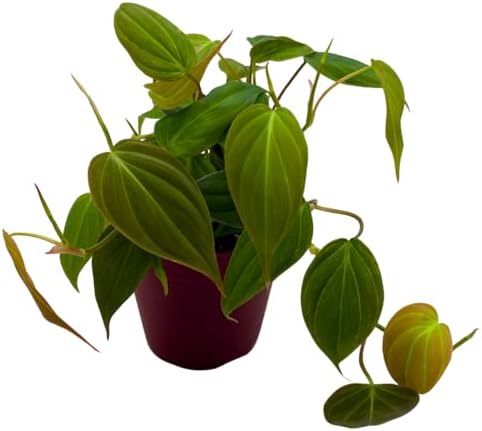


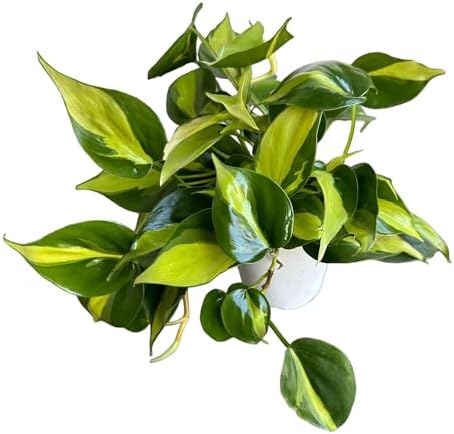
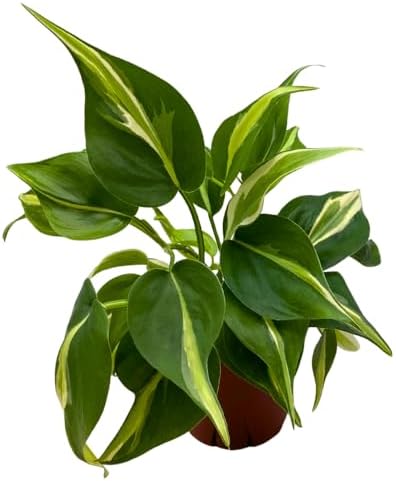
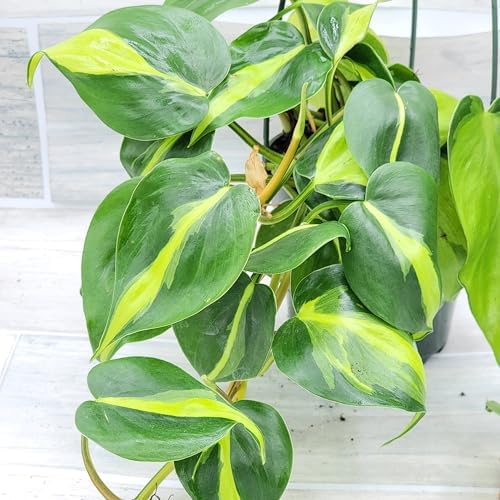
Another popular method is division, which involves separating established plants into smaller sections, each possessing roots and foliage. This technique not only promotes growth but also revitalizes the parent plant. Offsets, or plantlets, are smaller plants that grow on or near the parent plant. They are easily removed and replanted to create additional specimens. Each of these methods offers unique benefits, enabling plant lovers to share or expand their collections with minimal effort.
There are numerous advantages to propagating plants. Beyond the financial aspect, the joy of nurturing new life and watching it grow can be incredibly rewarding. Moreover, propagation allows enthusiasts to keep their loved plants alive indefinitely, even when they outgrow their containers or succumb to disease. By understanding and utilizing these basic propagation techniques, houseplant hobbyists can greatly enhance their gardening experience.
Essential Tools for Successful Propagation
Effective plant propagation relies on a variety of essential tools that enhance the likelihood of success. One of the primary instruments in this process is a pair of sharp scissors or pruning shears. These tools are invaluable for making clean cuts, which minimize the risk of damaging the plant tissue. A clean cut allows for more efficient healing and rooting, ensuring the propagated plant has the best possible start.



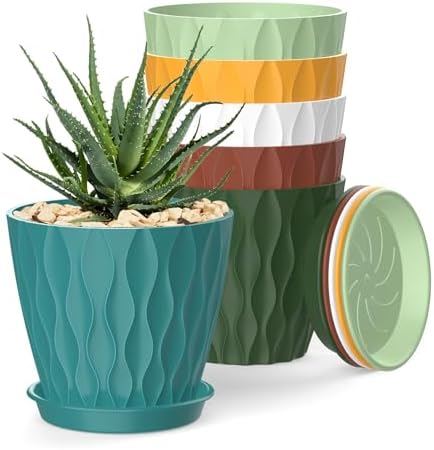
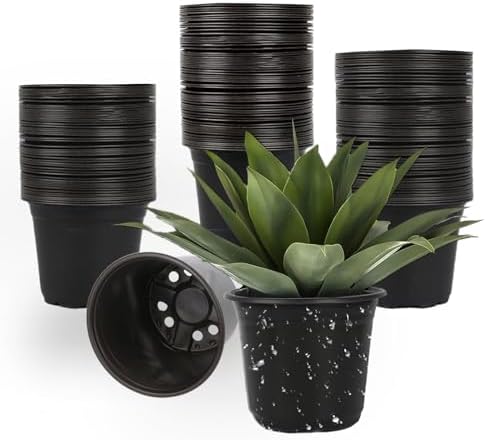
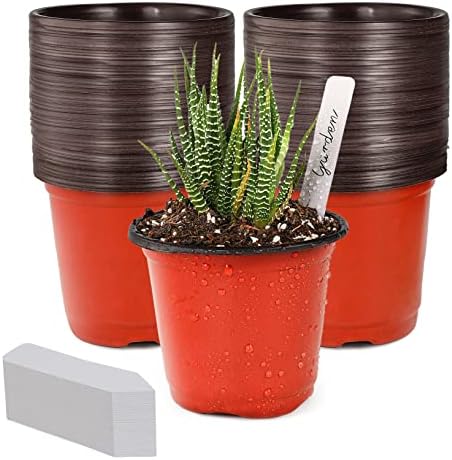
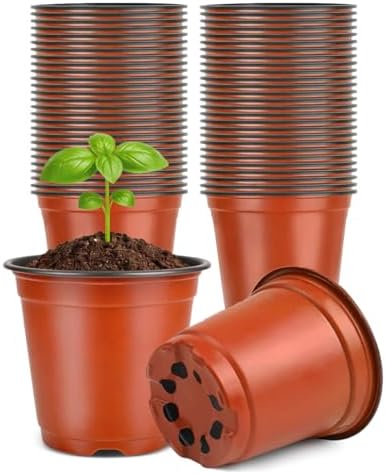
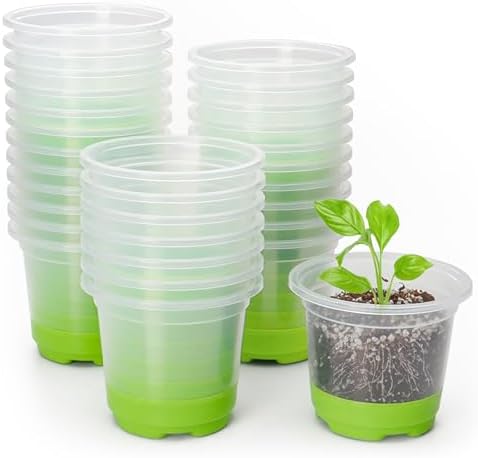
In addition to cutting tools, clean pots or containers are crucial for the rooting process. The choice of container should depend on the propagation method being employed. For water propagation, clear glass containers are often preferred, allowing for easy monitoring of root development. On the other hand, soil propagation typically necessitates containers with drainage holes to prevent waterlogging, which can lead to root rot.


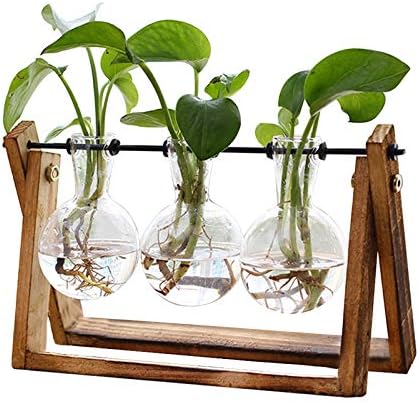

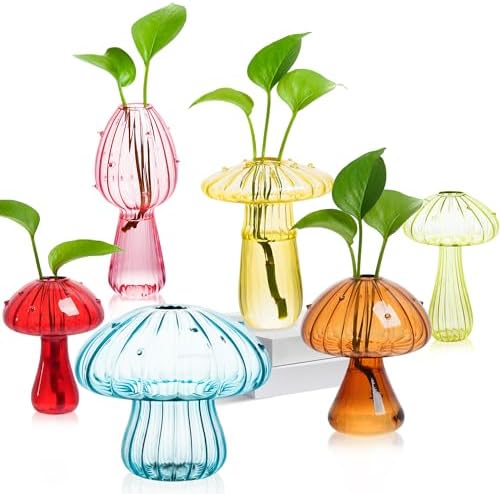
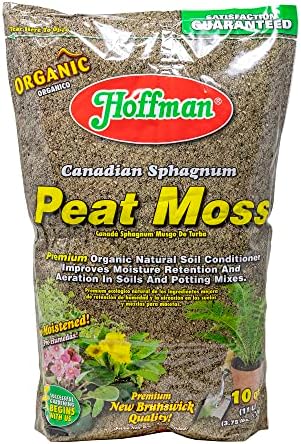
Furthermore, the propagation medium plays a significant role in successful plant growth. Various mediums such as water, soil, or propagation plugs are widely used, each serving distinct benefits based on the plant species. Water provides a simple and transparent option for rooting, while soil offers essential nutrients that support growth. Propagation plugs, often made from peat or coconut coir, provide an ideal balance between moisture retention and aeration.


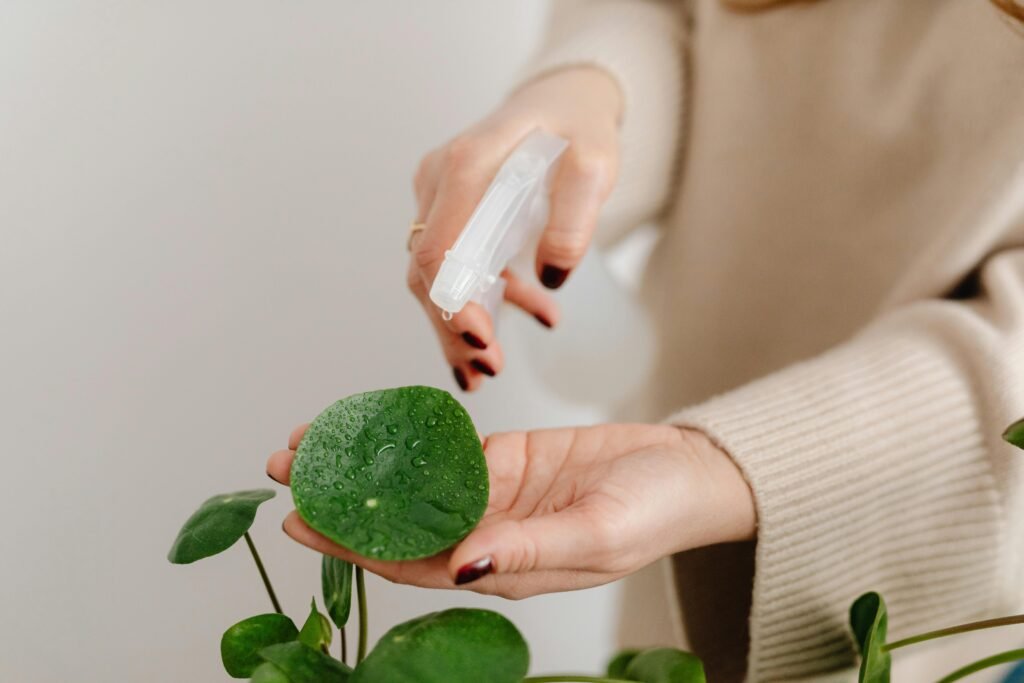
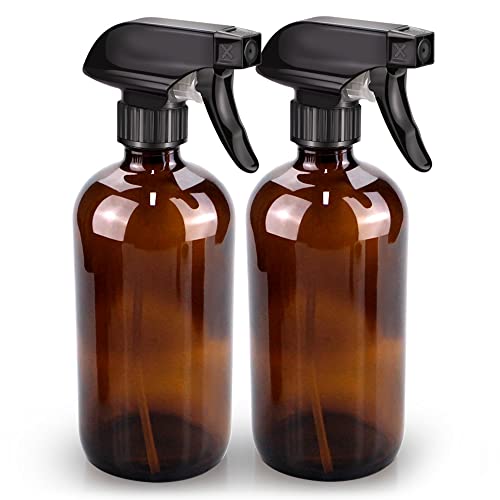
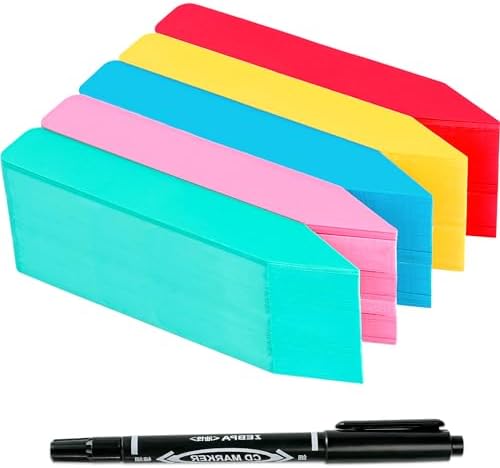
Labels are another vital accessory for organization and tracking progress during propagation. Marking each container with the plant’s name and date of propagation can aid in record-keeping and ensure the appropriate care is given. Additionally, humidity domes can assist in maintaining moisture levels, particularly for plants that thrive in humid environments. Other useful accessories may include spray bottles for misting or heating mats to maintain an optimal temperature for root development, creating the ideal conditions for plant propagation.


Step-by-Step Guide to Propagate Popular Houseplants
Houseplant propagation can be an enjoyable and rewarding experience, allowing you to expand your collection or share your favorite plants with friends and family. Below, we detail the propagation methods for three popular houseplants: pothos, spider plants, and succulents.
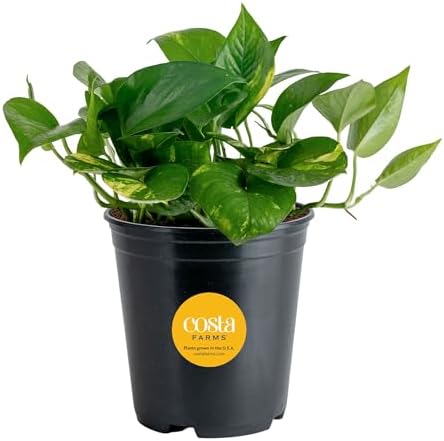
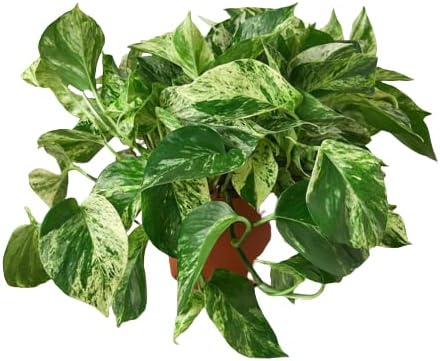
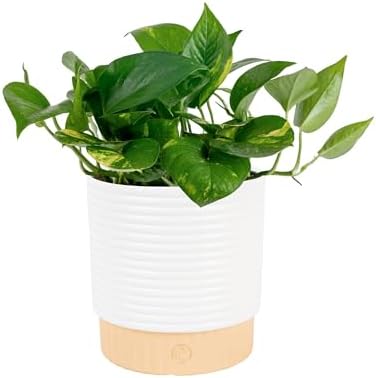
Pothos: This hardy houseplant is known for its trailing vines and is particularly easy to propagate. To begin, select a healthy stem with at least two to three nodes (the small bumps along the stem). Cut a 4-6 inch section below a node using clean, sharp scissors. You can propagate the cutting in water or soil. For water propagation, place the cutting in a jar of water, making sure at least one node is submerged. Change the water every few days to prevent rot. Roots should start developing within 1-2 weeks. Once the roots are 2-3 inches long, the cutting can be planted in soil. For soil propagation, plant the cutting directly into a pot with well-draining potting mix, watering lightly until established.


Spider Plants: Like pothos, spider plants are also straightforward to propagate. They produce small offshoots called “pups” that can be easily rooted. Wait until the pups have developed several roots of their own, which usually takes a few weeks. Gently separate the pup from the main plant and ensure it retains some roots. You can either pot the pup in moist potting soil or place it in water until new roots form. If you choose soil, keep the soil consistently moist for the first few weeks to encourage growth. With proper care, the pup will flourish into a new plant in a few months.
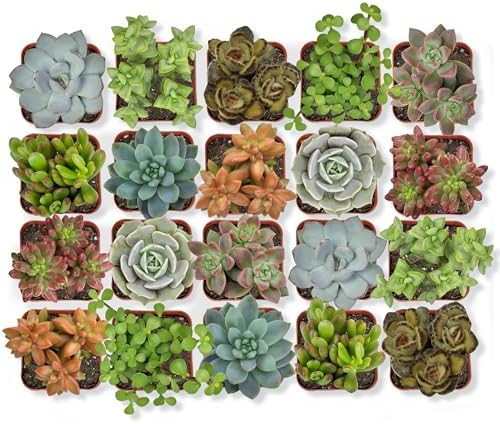
Succulents: Propagating succulents typically involves leaf or stem cuttings. For leaf propagation, select a healthy leaf and gently twist it off the stem. Allow the leaf to callous over for several days, which helps prevent rot. Once calloused, place the leaf on a well-draining soil mix. Water the soil lightly and wait for roots and offsets to grow, usually within a few weeks. For stem cuttings, cut a healthy stem, let it callous, and then plant it in soil. Keep the soil slightly moist and ensure your succulent receives plenty of indirect sunlight.


With these propagation methods, enthusiasts can easily cultivate new plants and enrich their space with greenery. Each plant’s unique requirement emphasizes the importance of observing their growth patterns to achieve successful propagation.
Troubleshooting Common Propagation Problems
One of the most prevalent issues that can arise during this process is rotting. This typically occurs when cuttings are placed in overly moist conditions. To mitigate this problem, ensure that the medium used for propagation has good drainage, and monitor moisture levels closely. A recommended approach is to allow the top inch of the soil to dry out before adding more water. This prevents excess moisture from causing decay.
Another common issue during the propagation phase is the development of mold, which is often indicative of high humidity or poor airflow around the plants. To combat mold, it is necessary to provide adequate ventilation for the cuttings. You might consider positioning them in an area with indirect light that encourages air circulation. Additionally, using a fungicide or a cinnamon powder can be effective in treating the affected areas without harming the plant.
Lack of root growth can be frustrating, as you may wonder if your propagation technique is working. In this case, patience is essential, as some plants take longer than others to develop roots. However, if several weeks have passed without noticeable root development, it may be beneficial to examine the cuttings for signs of distress. Discarding unsuccessful cuttings is sometimes necessary. If they appear unhealthy or wilting, it is often better to start fresh. Learning from these experiences can help improve future attempts. Each propagation challenge offers a valuable learning opportunity, allowing you to refine your methods and enhance your understanding of plant needs.




This post contains affiliate links. If you purchase through them, I may earn a small commission at no extra cost to you. I only share products I genuinely like.
Leave a Reply