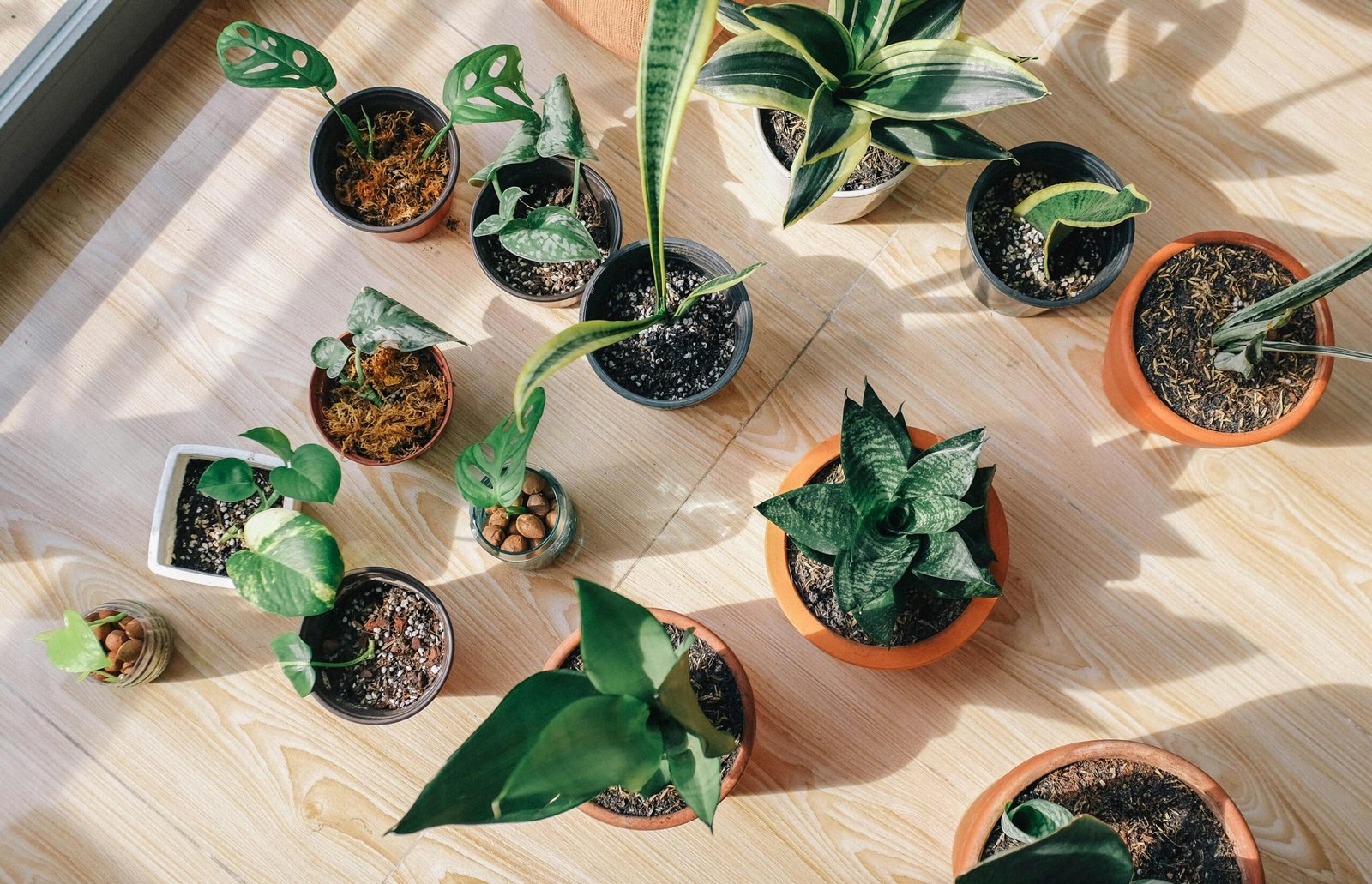
Adding houseplants to your home has so many benefits. They help improve air quality, make your space feel fresher, and can even help reduce stress and boost your mood.
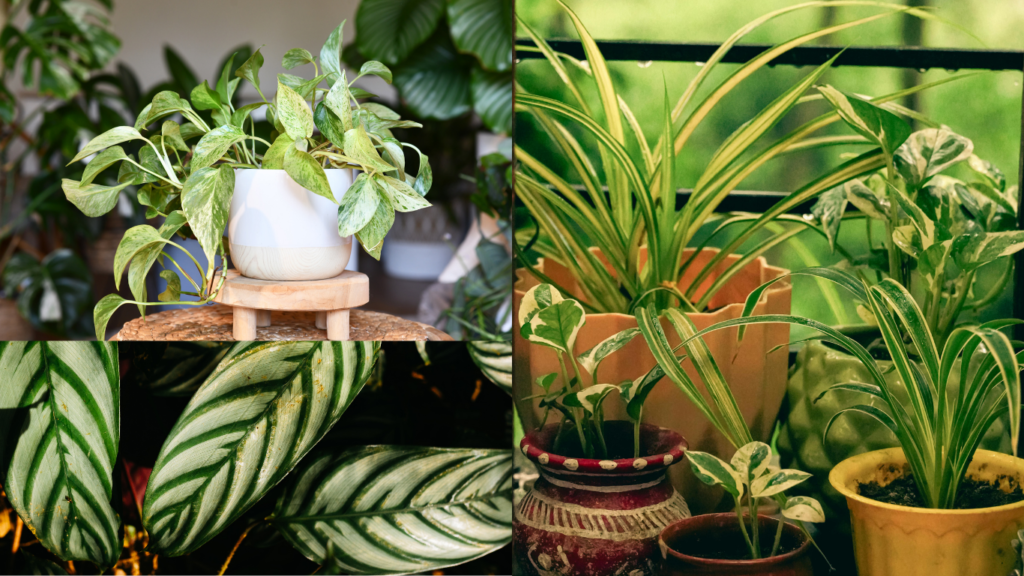
The best way to start is by choosing easy, low-maintenance plants that don’t need a lot of care. They’re more forgiving and help you build confidence while you learn.
Choosing Beginner-Friendly Houseplants
When choosing houseplants as a beginner, it’s important to pick ones that match your home and your lifestyle. Start by thinking about light, some plants need bright sunlight, while others do just fine in lower light. Choosing plants that fit the light you already have makes things much easier.
Watering is another big one. Many beginners struggle with overwatering or forgetting to water, so it helps to choose plants that are low-maintenance and more forgiving.
Slower-growing, hardy plants are usually the best place to start. They’re easier to manage, less stressful to care for, and help you build confidence as you learn.
By evaluating these essential criteria, light preferences, watering needs, growth rates, and pest resistance, beginners can choose houseplants that nurture their confidence as plant caretakers.
The Top 10 Houseplants for Beginners
Here are 10 ideal houseplants for beginners, combining aesthetic appeal with straightforward maintenance.
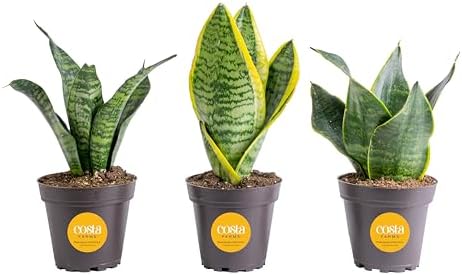
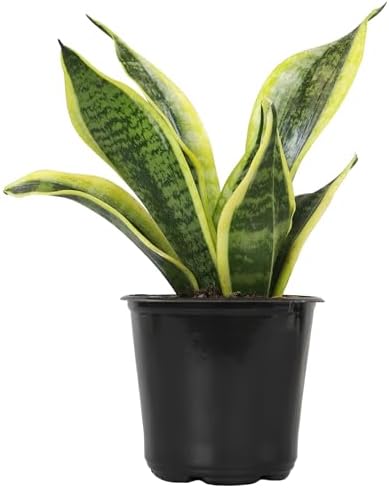
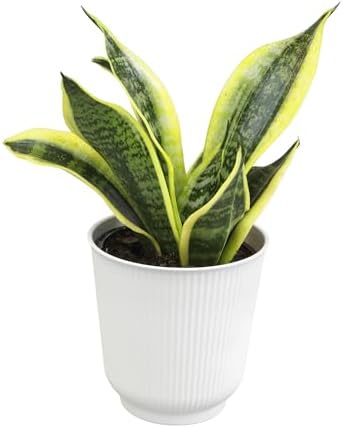
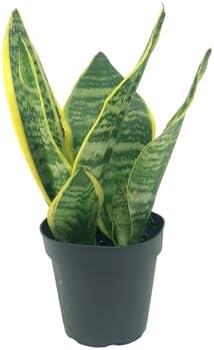
1. Snake Plant (Sansevieria trifasciata)
This resilient plant thrives in a range of lighting conditions and requires minimal watering, making it perfect for beginners. Its upright leaves add a touch of elegance to any space.


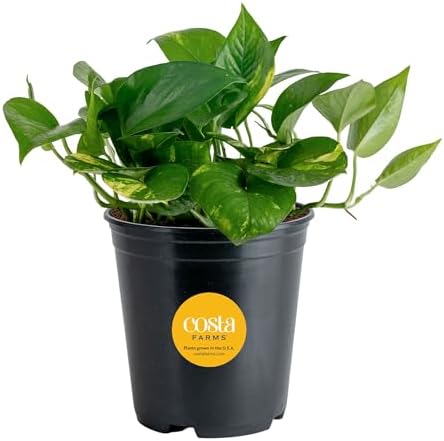
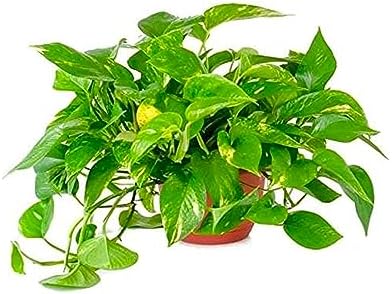
2. Pothos (Epipremnum aureum)
Known for its trailing vines and heart-shaped leaves, Pothos is forgiving when neglected. It flourishes in low light and can adapt to various watering schedules.


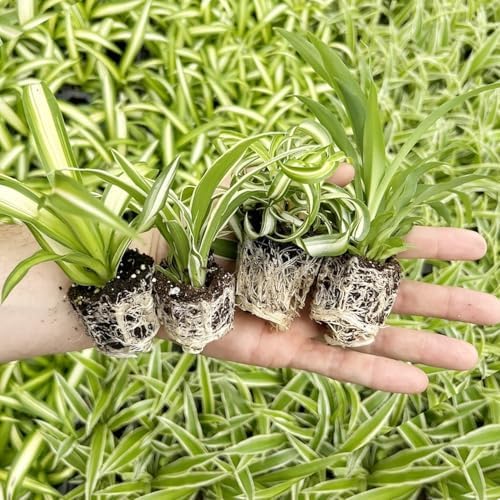
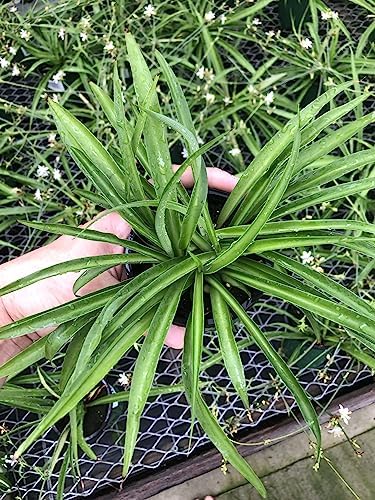
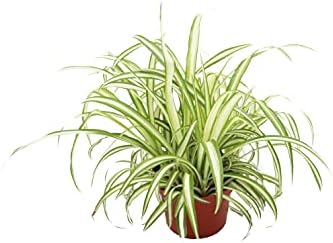
3. Spider Plant (Chlorophytum comosum)
With its arching leaves and small baby plants, the Spider Plant is an attractive choice. It enjoys indirect sunlight and prefers slightly damp soil, making it easy to care for.



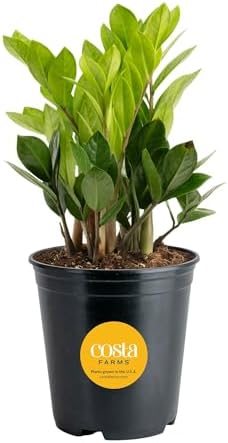
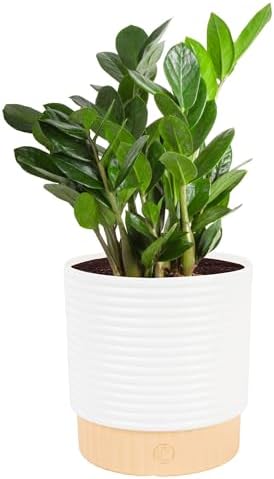
4. ZZ Plant (Zamioculcas zamiifolia)
Renowned for its glossy leaves and near-indestructibility, the ZZ Plant flourishes in low light and requires infrequent watering, making it an excellent choice for forgetful owners.


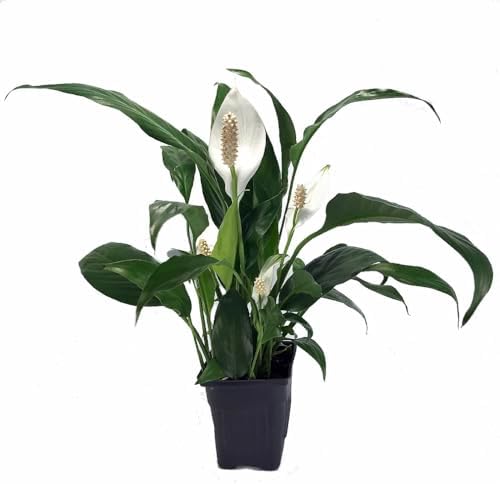
5. Peace Lily (Spathiphyllum)
This flowering plant not only enhances indoor air quality but also thrives in low light. The Peace Lily enjoys consistent moisture, making it simple to maintain.




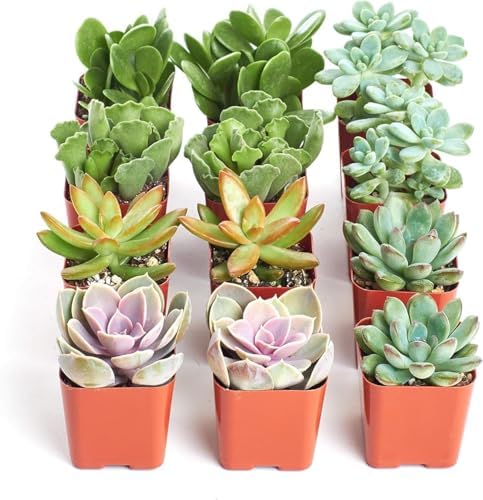
6. Succulents
Various species of succulents, like Echeveria and Sedum, require minimal care. They prefer bright, indirect light and infrequent watering, providing a low-maintenance green option for homes.


7. Boston Fern (Nephrolepis exaltata)
This lush plant prefers humidity and indirect light. Its fronds can add a soft, vibrant touch to any room, and it thrives in damp soil.


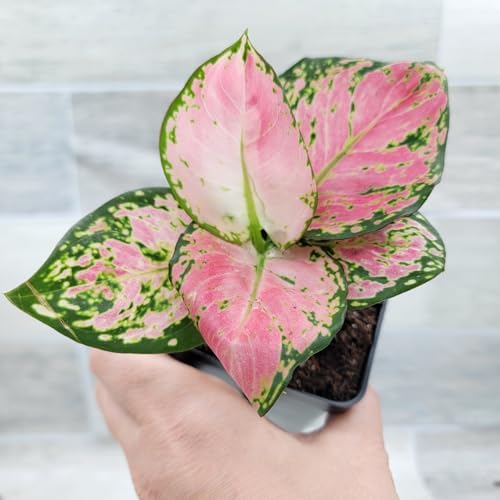
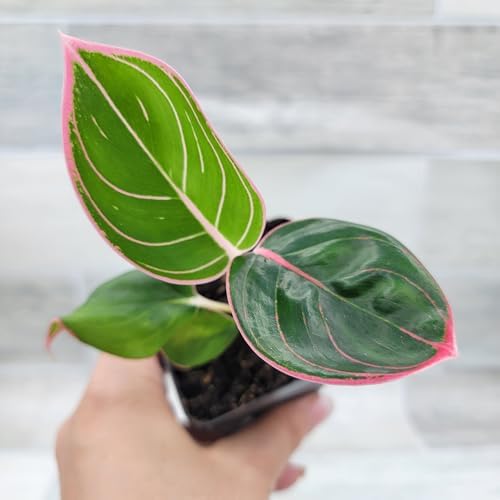
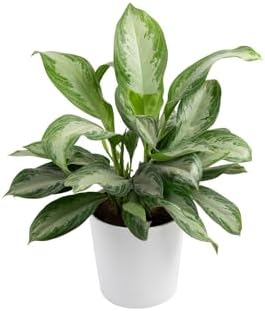
8. Chinese Evergreen (Aglaonema)
The Chinese Evergreen is known for its striking foliage and adaptability. It grows well in various lighting conditions and requires moderate watering, catering perfectly to beginners.


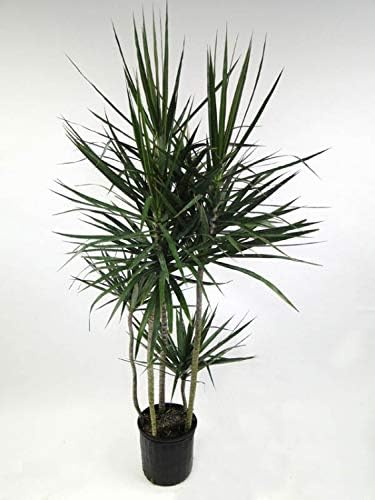
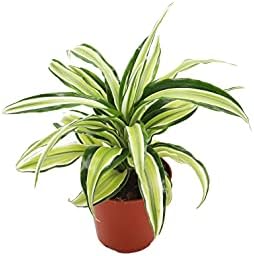
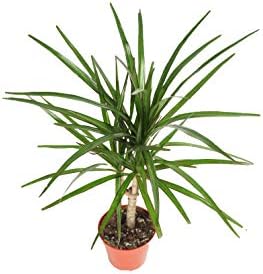
9. Dracaena
With its diverse varieties, including Dracaena marginata, this plant is easy to grow with minimal light needs and infrequent watering, making it suitable for anyone.

10. Calathea
Known for its stunning leaf patterns, the Calathea prefers humidity and indirect light. As long as the soil remains slightly moist, it can thrive quite easily.
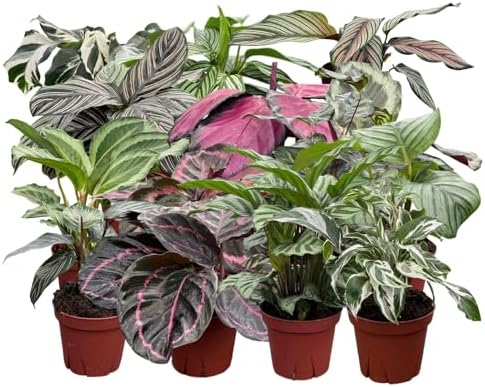


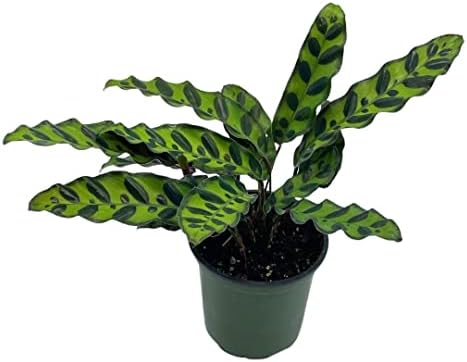

These top ten houseplants will brighten your space while making plant care easy to get started with. They’re perfect for beginners who want something simple, low-maintenance, and still beautiful.
Care Tips for Your New Houseplants
Here are care tips pertinent for maintaining your houseplants, specifically focusing on watering schedules, light exposure, fertilization, and addressing common issues.
Watering Schedules: Establishing a consistent watering routine is crucial for plant health. Most houseplants prefer to dry out slightly between waterings. A good practice is to check the top inch of soil; if it feels dry, it’s time to water. Overwatering is a common mistake for beginners, leading to root rot. Each houseplant has varying tolerances; therefore, researching specific needs can help optimize your watering practices.


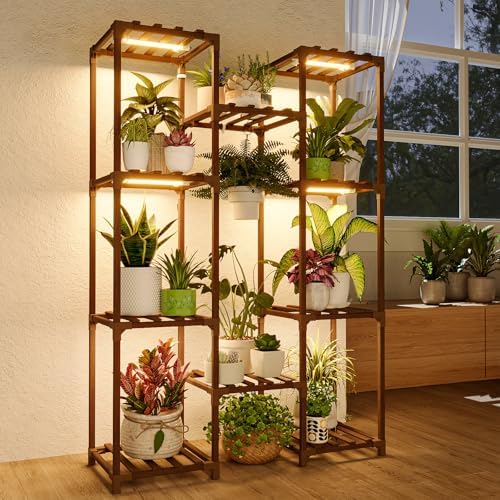
Light Exposure: Light plays a big role in keeping your plants healthy. Some plants do best in bright, indirect light, while others can handle lower-light spaces. Take a little time to notice where natural light comes into your home so you can place your plants where they’ll grow best. If your home doesn’t get much natural light, plant lights are a great option and can make a big difference. It also helps to rotate your plants every so often so they grow evenly and don’t start leaning toward the light.




Fertilization Tips: Fertilizing your houseplants can nurture their growth. Most plants benefit from a balanced liquid fertilizer applied every four to six weeks during the growing season (spring and summer). However, be cautious not to over-fertilize, which can lead to nutrient burn and damage to the plant. In the fall and winter, reduce or cease fertilization, as plants enter a dormant phase.

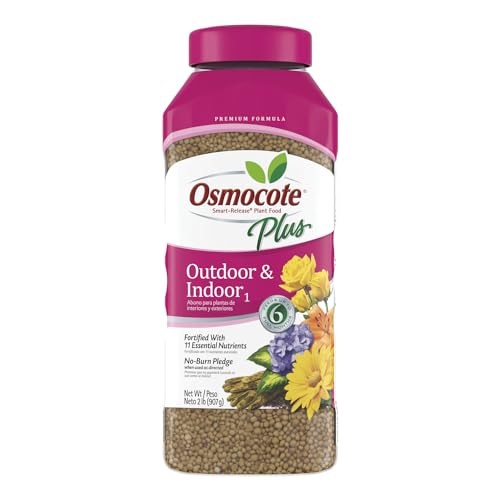

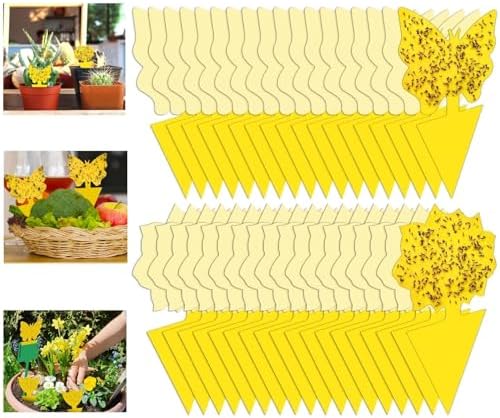
Common Problems: Beginners may run into a few common problems, like yellowing leaves or pests. Yellow leaves usually mean the plant is getting too much water or may need nutrients. If you notice pests, you can gently wash the leaves with a mild soap solution and rinse them well. Neem oil is also a great option for getting rid of pests and helping prevent them from coming back. Checking your plants regularly makes it easier to catch problems early and keep them healthy.



By integrating these care strategies into your routine, you will equip yourself with the knowledge needed to ensure your houseplants remain healthy and vibrant throughout their lifecycle.
This post contains affiliate links. If you purchase through them, I may earn a small commission at no extra cost to you. I only share products I genuinely like.
Leave a Reply